Proving Dead: The Step People Skip
Isolate, lock, prove, prove the prover. Four steps, and the fourth is the one that gets left out.
The sequence
Identify the circuit. Isolate it. Secure the isolation with a lock and a tag that carries your name. Prove the conductors dead with an approved voltage indicator. Then prove the indicator itself against a known live source or a proving unit, because an instrument that has failed reads exactly like a circuit that is dead.
That last step takes fifteen seconds and it is the one that gets skipped, usually by people who have done this ten thousand times.
Locks are not paperwork
A tag on its own asks a stranger to read and obey. A lock removes the possibility. Every person working on the isolation puts their own lock on the hasp, and the last one off is the one who fitted the first.
The failure mode this prevents is boring and common: somebody else, elsewhere in the building, restoring a supply they believe nobody is working on.
Two-pole, not a pen
Non-contact volt sticks are a triage tool, not a proving instrument. They give false negatives near screened cable, in damp, and on circuits with capacitive coupling, and a false negative is the only kind of error that matters here.
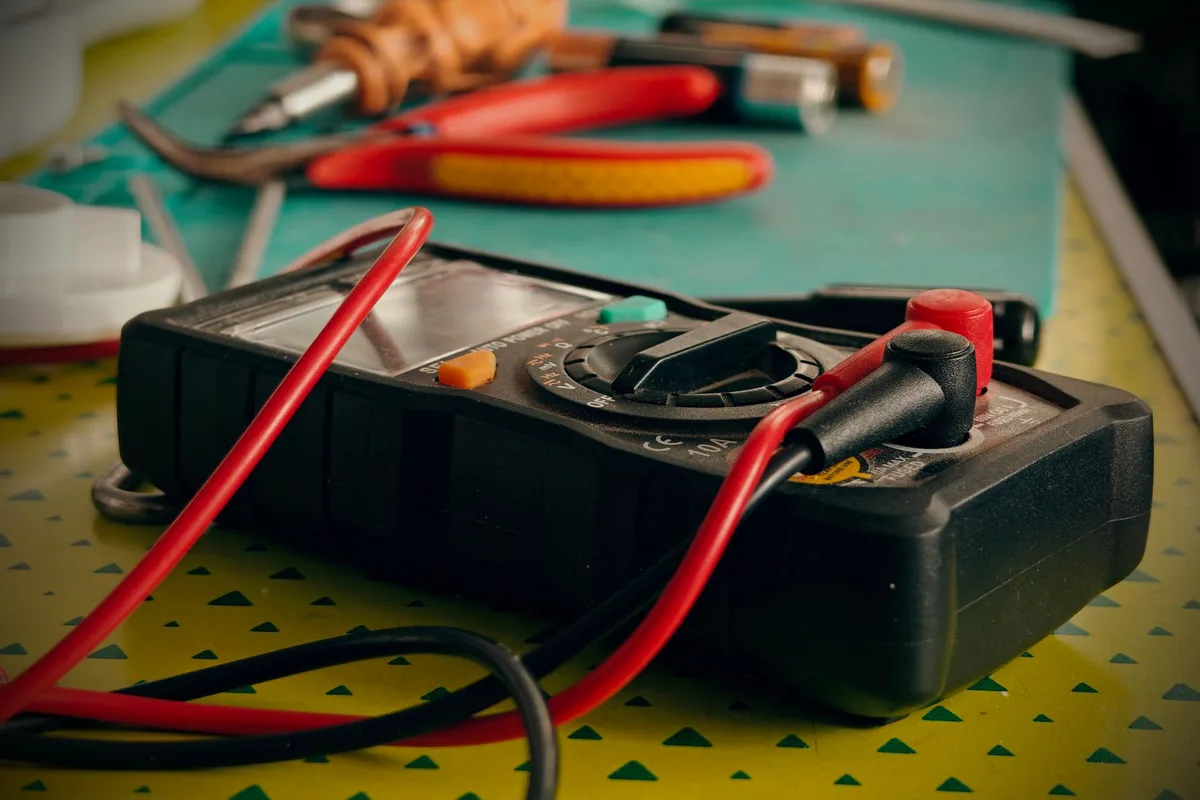
Prove dead with a two-pole indicator to the relevant standard, test between all combinations, and do it at the point of work rather than at the board. The Electrical Safety Authority publishes the procedure in full if you want the formal wording.