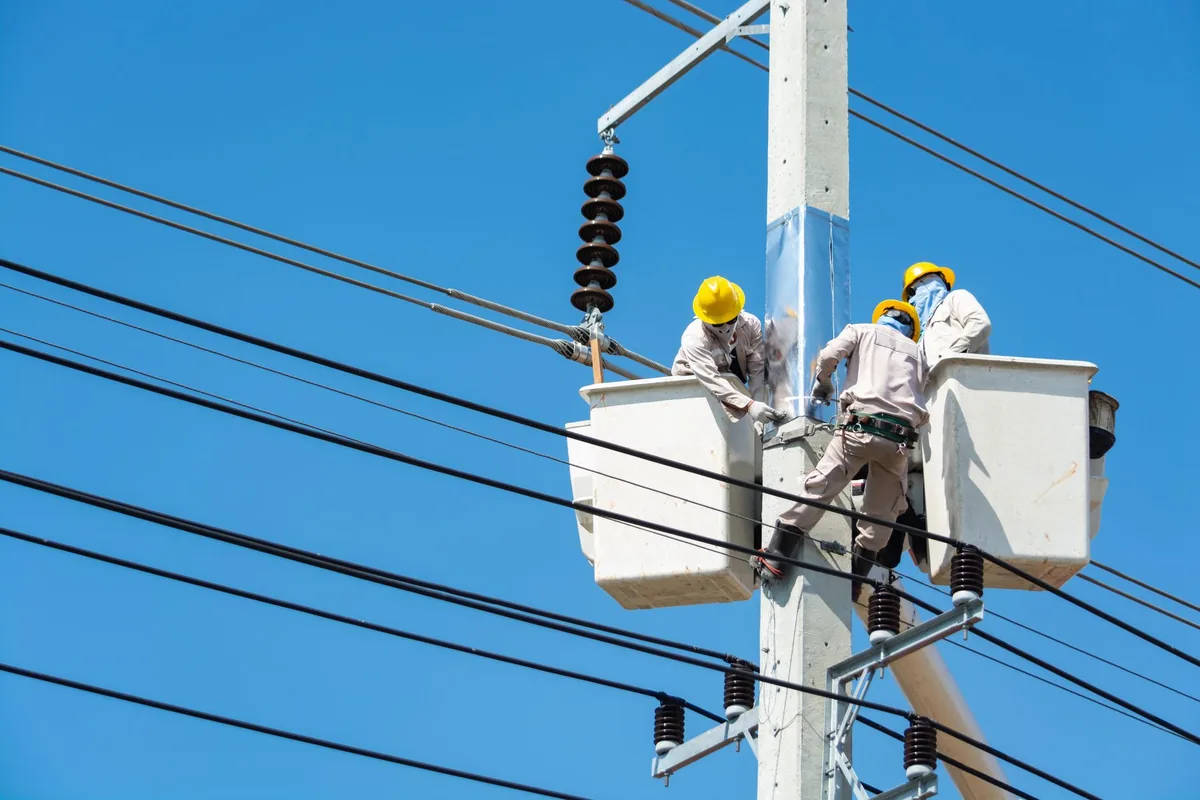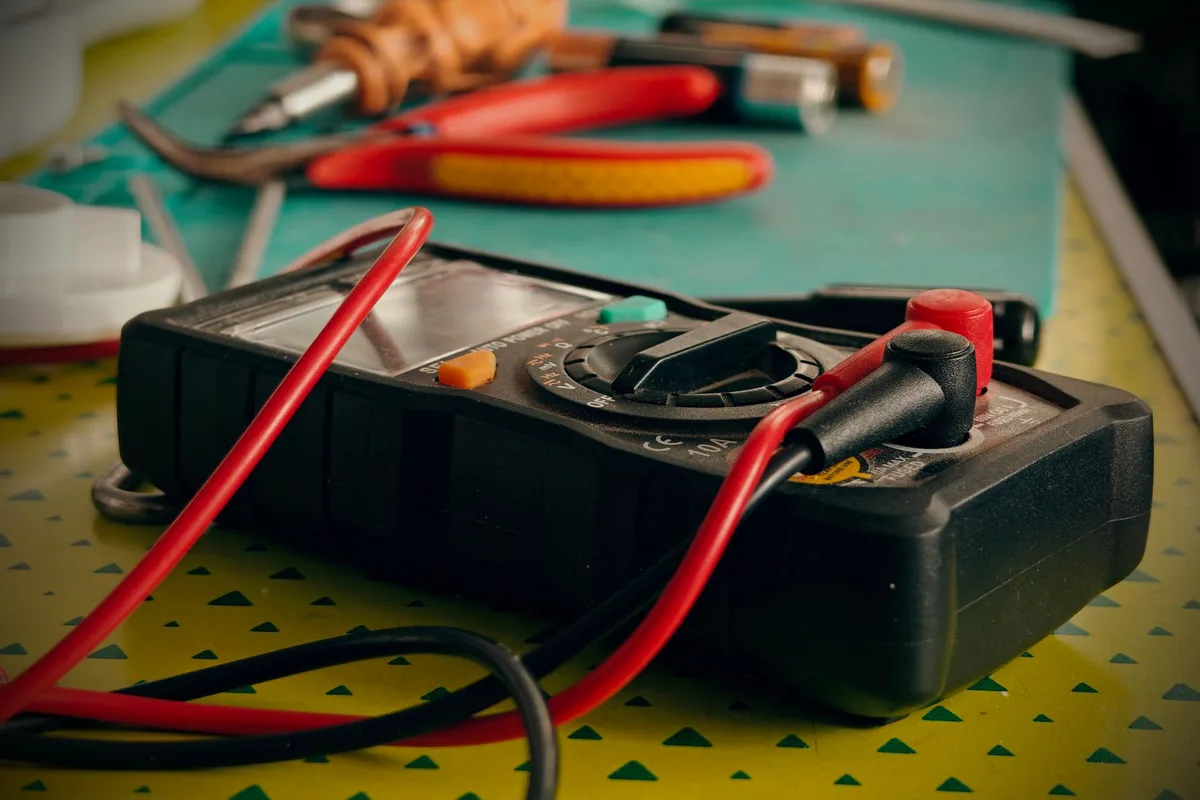
Arc Flash: The Risk Nobody Costs In
Rare, survivable and life-changing. The mitigation is mostly procedural, which is why it gets treated as optional.
What actually happens
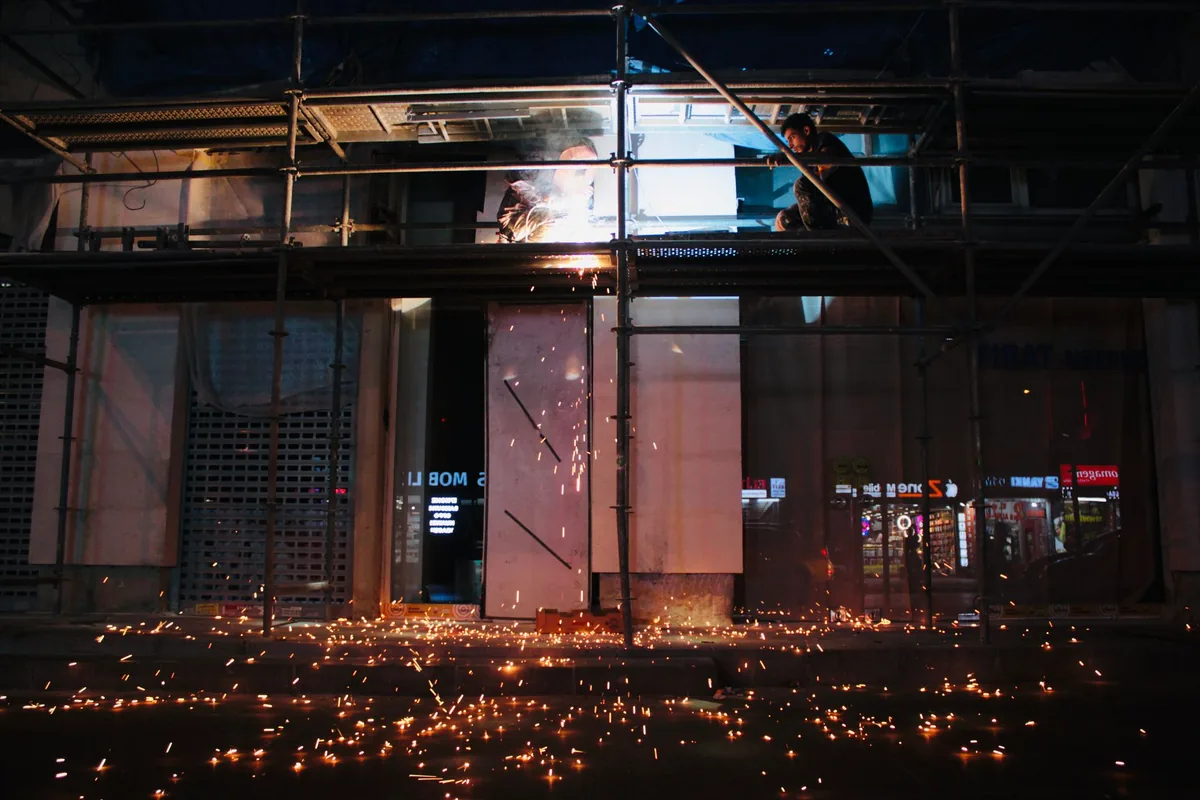
A fault across an energised conductor releases the available energy as heat and pressure in a few thousandths of a second. Temperatures at the arc exceed anything a person can be protected from by standing close in the wrong clothing, and the pressure wave throws people across rooms.
The injuries that end careers are usually burns from ignited clothing rather than from the arc itself, which is why the fabric you are wearing matters more than most people assume.
The hierarchy still applies
De-energise. If that is genuinely impossible, increase the working distance, reduce the available energy, and only then reach for personal protection. Arc-rated clothing is the last line, not the plan.
Most of the arc incidents that get written up involve somebody working live on a job that could have been isolated with an hour's inconvenience.
Everyday clothing is part of it
Synthetic base layers melt. That is not a detail. A polyester t-shirt under an arc-rated shirt can cause worse injury than no shirt at all, and it is the most common avoidable mistake on site.
Cotton or arc-rated next to skin, no exceptions, and that includes the layer nobody can see. OSHA's electrical pages set out the employer duties, and the clothing requirement is one of the few that people genuinely do not know about.